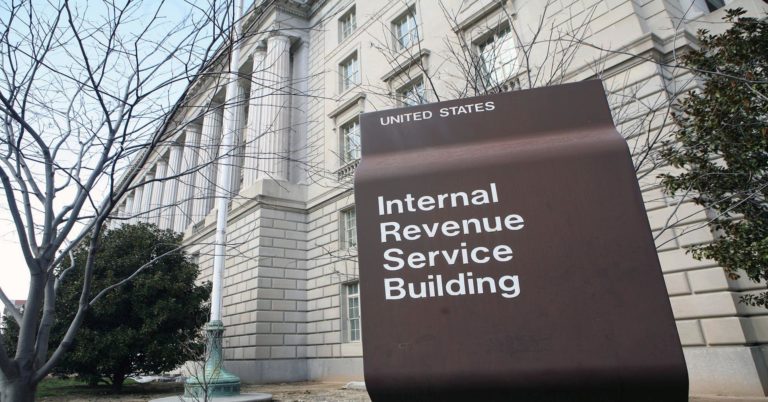
A recent segment on MSNOW’s The Briefing with Jen Psaki dug into one of the most extraordinary and under-discussed stories of the moment: Donald Trump suing the IRS and the U.S. Treasury for $10 billion over the leak of his tax returns. On its face, the lawsuit is framed as a grievance about privacy violations stemming from the unauthorized disclosure of his tax information several years ago. But when you step back and consider who Trump is, the office he holds, and the long history surrounding his tax returns, the case raises profound conflict-of-interest questions that go well beyond a routine civil claim.
Trump’s tax returns were a defining controversy of his first term, not because of a single leak, but because of his unprecedented refusal to release them at all. For years, Trump broke with decades of presidential precedent, claiming audits prevented disclosure—a claim the IRS itself later contradicted. Litigation dragged on through multiple courts, House committees fought for access, and the public was left to speculate about what Trump was hiding. When portions of those returns finally became public, they revealed chronic losses, aggressive write-offs, questionable valuations, and a financial structure deeply entangled with foreign income streams and debt. Those revelations only reinforced why transparency had mattered in the first place.
Against that backdrop, Trump now suing the IRS for $10 billion takes on a far more troubling dimension. As Psaki pointed out, this is not a private citizen suing an independent entity; it is a sitting president suing an agency that ultimately answers to his own administration. Even if the alleged leak was real and improper, the structure of the lawsuit itself creates a situation where government lawyers are placed in an impossible bind. DOJ attorneys tasked with defending the IRS and Treasury know their client is also their boss. Career officials may insist they can act independently, but the chilling effect is obvious. How aggressively does a government lawyer fight a $10 billion claim brought by the president who controls promotions, budgets, and leadership appointments?
This is why critics see the lawsuit not merely as legal redress, but as a potential vehicle for self-enrichment and intimidation. Trump has a long history of weaponizing litigation—not necessarily to win on the merits, but to pressure, exhaust, or extract concessions. We saw this pattern repeatedly in his business career and again during his first term, whether it was targeting critics, inspectors general, or perceived enemies within the federal bureaucracy. Suing the IRS fits squarely into that pattern, particularly when the damages sought are so wildly disproportionate that they function more as leverage than compensation.
The lawsuit also dovetails with the broader corruption narrative now surrounding Trump’s administration and family. From his hotels and golf courses profiting off foreign governments during his first term, to his children maintaining business interests while holding senior advisory roles, Trump has consistently blurred the line between public power and private gain. The Trump Organization’s foreign licensing deals, Ivanka Trump’s fast-tracked trademarks abroad, and Jared Kushner’s post-White House financial windfalls all reinforced the sense that access to the presidency was being monetized. The IRS lawsuit feels like an extension of that same ethos—using the machinery of government not to serve the public, but to settle personal scores and potentially line one’s own pockets.
What makes this moment especially dangerous is normalization. Each individual act can be waved away by defenders as technically legal, procedurally defensible, or politically motivated criticism. But taken together, a pattern emerges: constant ethical edge-pushing, relentless conflicts of interest, and an erosion of institutional independence. When a president can sue his own tax authority for billions while appointing the people who oversee that authority, the guardrails of democratic accountability start to look frighteningly thin.
As the country heads toward the 2026 midterms, these issues are unlikely to fade. Midterm elections are historically difficult for the party in power, and this one appears especially volatile given persistent voter anger over corruption, cost of living pressures, and perceived abuses of power. Whether this IRS lawsuit becomes a defining symbol of those concerns remains to be seen, but it already stands as a stark illustration of how deeply intertwined Trump’s personal interests are with the public institutions he is supposed to lead—and why so many Americans remain alarmed by that reality.